

Signs Your Child May Have an Airway Issues
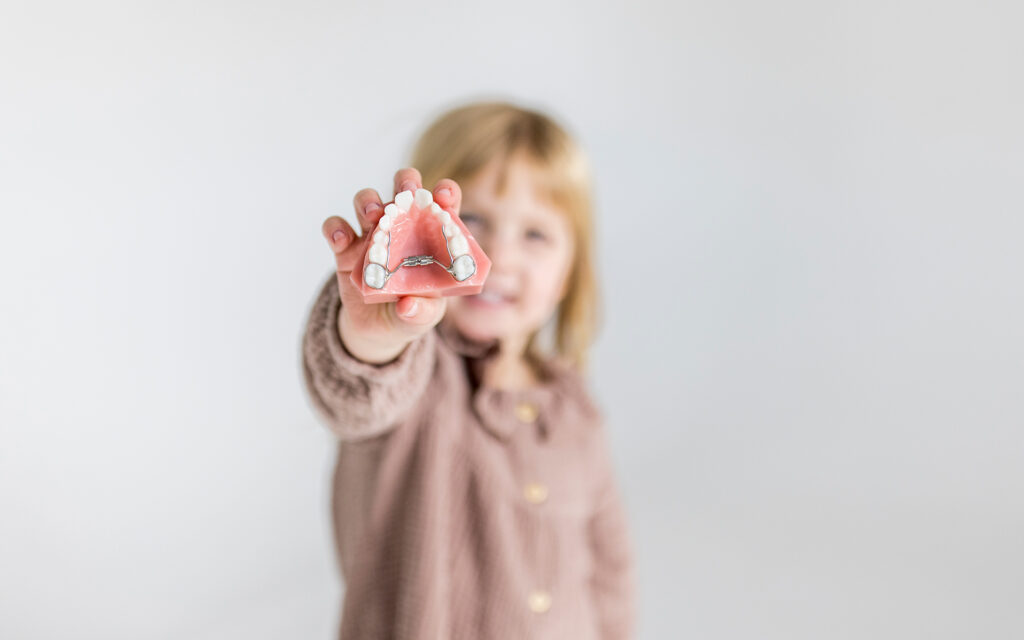
Here are some signs to watch for:
● Mouth Breathing
It could be a red flag if your child constantly breathes through their mouth instead of their nose, especially during sleep. Mouth breathing dries out oral tissues and contributes to poor sleep quality. According to research published in the National Library of Medicine, mouth breathing can affect facial development and lead to long-term health issues if left untreated.
● Snoring or Noisy Breathing During Sleep
Snoring is not just an adult problem. It could indicate sleep-disordered breathing or obstructive sleep apnea in children. A study from Yale Medicine notes that about 1% to 5% of children have obstructive sleep apnea, often due to enlarged tonsils or adenoids.
● Restless Sleep or Nighttime Waking
Children with airway problems often toss and turn at night, wake frequently, or sweat excessively during sleep. You may also notice bedwetting or unusual sleeping positions, like keeping the neck open to keep the airway open.
● Daytime Fatigue or Hyperactivity
Sleep disturbances caused by airway issues can result in poor sleep quality, which affects daytime behavior. Some children become sleepy, while others appear hyperactive or have trouble focusing — often misdiagnosed as ADHD. An article in the Child Mind Institute suggests that children with sleep-disordered breathing are more likely to exhibit behavioral issues similar to ADHD.
● Frequent Ear Infections or Sinus Congestion
Recurring ear infections, allergies, or chronic nasal congestion often result from poor nasal airflow or enlarged adenoids, which block normal drainage pathways.
● Speech or Feeding Difficulties
Airway issues may interfere with oral motor development, making it difficult for children to latch, chew, or speak clearly. Difficulties such as speech delays or picky eating often relate to airway function.
Long-Term Effects of Untreated Airway Issues
When left undiagnosed and untreated, airway problems can contribute to:
● Delayed growth or failure to thrive
● Poor academic performance
● Facial development changes (long face, receded chin, narrow jaws)
● Emotional or behavioral struggles
These issues can persist into adulthood if not addressed early.